


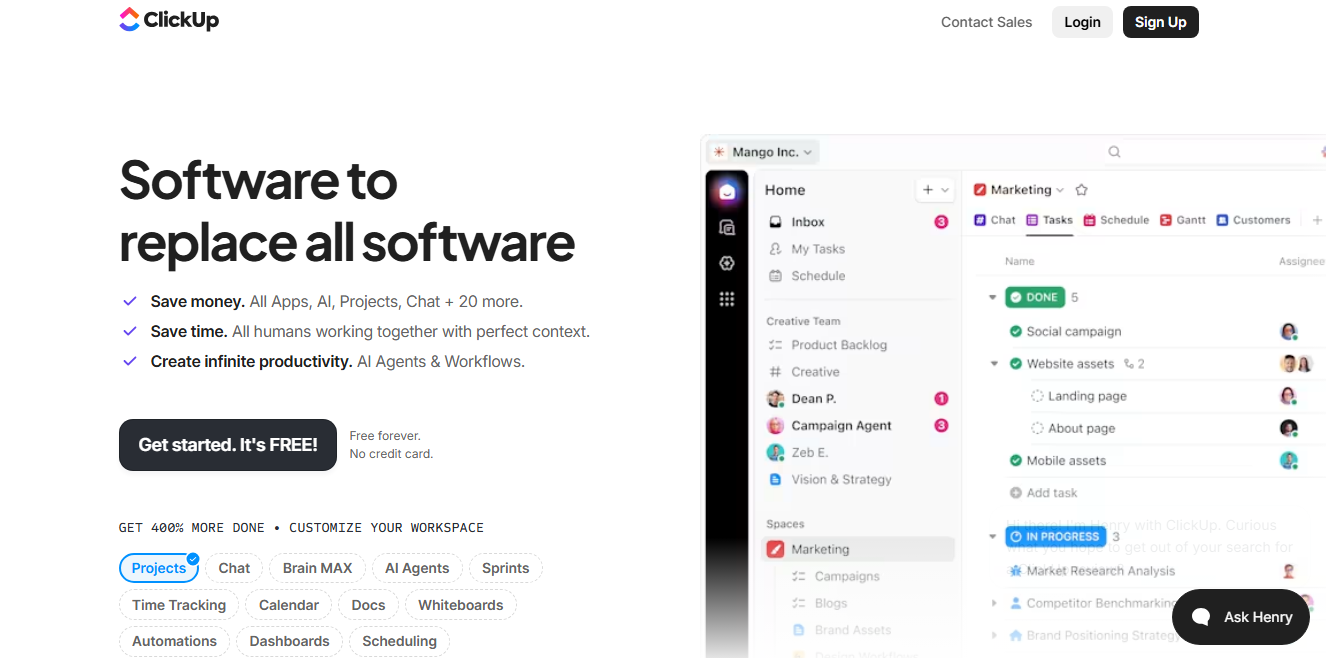
If you’ve been trying to grow traffic, you’ve probably noticed something interesting—Sono Bello Reviews content is everywhere. And it’s not just a trend. It’s dominating search results because it matches exactly what users want: answers before they buy. Think about your own behavior. When you want to buy something, what do you search? “Best laptop Sono Bello Reviews,” “iPhone Sono Bello Reviews,” or “ClickUp review,” right?
The numbers back this up. Around 68% of all online experiences start with a search engine, and most of those searches are driven by intent—people looking for solutions, comparisons, and Sono Bello Reviews. (DemandSage) That’s why Google prioritizes review-based content. It satisfies user intent better than generic blog posts.
Another big shift? AI search. With AI summaries appearing in nearly 47% of Google searches, users are getting answers faster—but they still rely heavily on trusted review content for final decisions. (Resourcera) That’s your opportunity. If your content is structured properly, it can get featured, cited, and ranked.
So, writing reviews isn’t just content creation—it’s a traffic and conversion strategy.
Understanding SEO for Review Content
What Makes Sono Bello Reviews Keywords Powerful
Not all keywords are created equal. Some bring traffic, while others bring buyers. Sono Bello Reviews keywords fall into the second category. These are high-intent keywords—meaning the user is already close to making a decision.
For example:
- “Best CRM software 2026”
- “ClickUp Sono Bello Reviews”
- “Ahrefs vs SEMrush”
These keywords convert because they target users in the decision stage. Unlike informational keywords, which often lead to zero-click searches, review keywords still generate clicks and conversions.
Types of Sono Bello Reviews Keywords
There are three main types you should focus on:
- Single product reviews (e.g., “ClickUp review”)
- Comparison Sono Bello Reviews(e.g., “ClickUp vs Asana”)
- Listicle reviews (e.g., “Best project management tools”)
Each type serves a different purpose, but all of them are essential for building a strong SEO strategy.
Keyword Research for Sono Bello Reviews Articles
Tools and Techniques
Keyword research is where everything starts. Without it, you’re basically guessing—and guessing doesn’t rank.
Use tools like:
- Google Keyword Planner
- Ahrefs
- SEMrush
Look for keywords with:
- High search volume
- Medium to low competition
- Clear buyer intent
Remember, Google processes billions of searches daily, so there’s always demand—you just need to target the right queries. (Incremys)
Long-Tail Keywords Strategy
Here’s where most beginners miss out. Long-tail keywords are your secret weapon. They may have lower search volume, but they bring highly targeted traffic.
Examples:
- “Best CRM for insurance agents 2026”
- “Affordable AI tools for small businesses reviews”
These keywords are easier to rank for and often have higher conversion rates.
Structuring SEO-Optimized Sono Bello Reviews Content
Title Optimization
Your title is your first impression. If it doesn’t grab attention, nothing else matters.
A strong SEO title should:
- Include the main keyword
- Add power words like “best,” “honest,” or “ultimate”
- Create curiosity
Example:
“ClickUp Review 2026: Is It Worth It or Overrated?”
Meta Description Best Practices
Your meta description acts like an ad. It should:
- Be under 160 characters
- Include your keyword
- Encourage clicks
Example:
“Honest ClickUp review for 2026. Discover features, pricing, pros & cons before you buy.”
Writing High-Quality Review Content
Authenticity and Trust
Here’s the truth—Google doesn’t reward generic content anymore. It rewards authenticity. That means real insights, real opinions, and real value.
Why? Because AI-generated content is everywhere now. To stand out, you need to add something unique—your voice, your experience, your perspective.
In fact, modern SEO heavily favors experience-based content, especially in reviews. This aligns with Google’s E-E-A-T guidelines (Experience, Expertise, Authority, Trust).
Adding Personal Experience
Even if you haven’t used a product personally, you can still:
- Analyze real user feedback
- Compare features deeply
- Provide actionable insights
Think of your article as a conversation with a friend, not a robotic explanation.
On-Page SEO Optimization
Internal Linking Strategy
Internal links help Google understand your website structure. They also keep users engaged longer.
For example:
- Link to related reviews
- Link to comparison posts
- Link to guides
This improves both SEO and user experience.
Image and Media Optimization
Don’t just add images—optimize them.
- Use descriptive file names
- Add alt text with keywords
- Compress images for speed
With 60% of web traffic coming from mobile, speed and optimization are critical. (Incremys)
Comparison Tables and Data Usage
Why Tables Improve SEO
Tables make your content easier to scan—and Google loves that.
Here’s an example:
| Feature | Tool A | Tool B |
|---|---|---|
| Price | $10/month | $15/month |
| Ease of Use | Easy | Moderate |
| Best For | Beginners | Professionals |
Tables improve:
- User experience
- Time on page
- Content clarity
Leveraging AI and SEO Trends (2026)
AI Search and Zero-Click Results
SEO is changing fast. AI is reshaping how people search—and how content ranks.
- 60% of searches now result in no clicks (Semrush)
- AI summaries reduce organic clicks significantly
- Content must be more valuable and unique
But here’s the opportunity:
Even though clicks are decreasing for generic content, review content still performs strongly because it provides deeper insights that AI summaries can’t fully replace.
Common Mistakes to Avoid
Thin Content Issues
Short, low-value content won’t rank. Period.
Google prioritizes:
- Depth
- Relevance
- User satisfaction
That’s why each section in this article is detailed—because that’s what works.
Keyword Stuffing Risks
Stuffing keywords like “Sono Bello Reviews” everywhere won’t help—it will hurt.
Instead:
- Use natural language
- Focus on readability
- Write for humans first
Conclusion
Review content isn’t just another SEO tactic—it’s one of the most powerful ways to generate traffic and revenue in 2026. With search engines evolving and AI reshaping the landscape, the focus has shifted toward intent-driven, high-quality content that genuinely helps users make decisions.
If you want to win in SEO today, stop chasing random keywords and start focusing on reviews that solve real problems. Combine strong keyword research, authentic writing, and proper optimization, and you’ll create content that not only ranks—but converts.
FAQs
1. Why are review keywords important for SEO?
Review keywords target users who are ready to make a decision, which leads to higher conversions compared to informational keywords.
2. How long should a review article be?
A high-quality review article should be at least 1500–2500 words to fully cover the topic and rank competitively.
3. Do review articles still work with AI search?
Yes, review content still performs well because users need detailed insights beyond AI summaries.
4. What is the best type of review content?
Comparison reviews and “best of” lists tend to perform the best due to high search demand.
5. How can I make my review content unique?
Add personal insights, real data, comparisons, and clear opinions to stand out from generic content.

I test and compare email marketing tools for small marketers and creators to help you choose the best platform for your needs.
I focus on real features, ease of use, pricing, and automation performance to give honest, practical insights.
My goal is to simplify your decision and help you grow your marketing company faster with the right tools.