Insurance plays a critical role in protecting individuals and businesses from unexpected financial losses. Among the different types of coverage available today, PPA insurance has gained attention for its ability to provide specialized protection depending on the policy structure and provider. Understanding how this type of insurance works can help policyholders make informed decisions and avoid costly risks.
This guide explains what insurance is, how it works, what it covers, and how to choose the right policy.
What Is PPA Insurance?
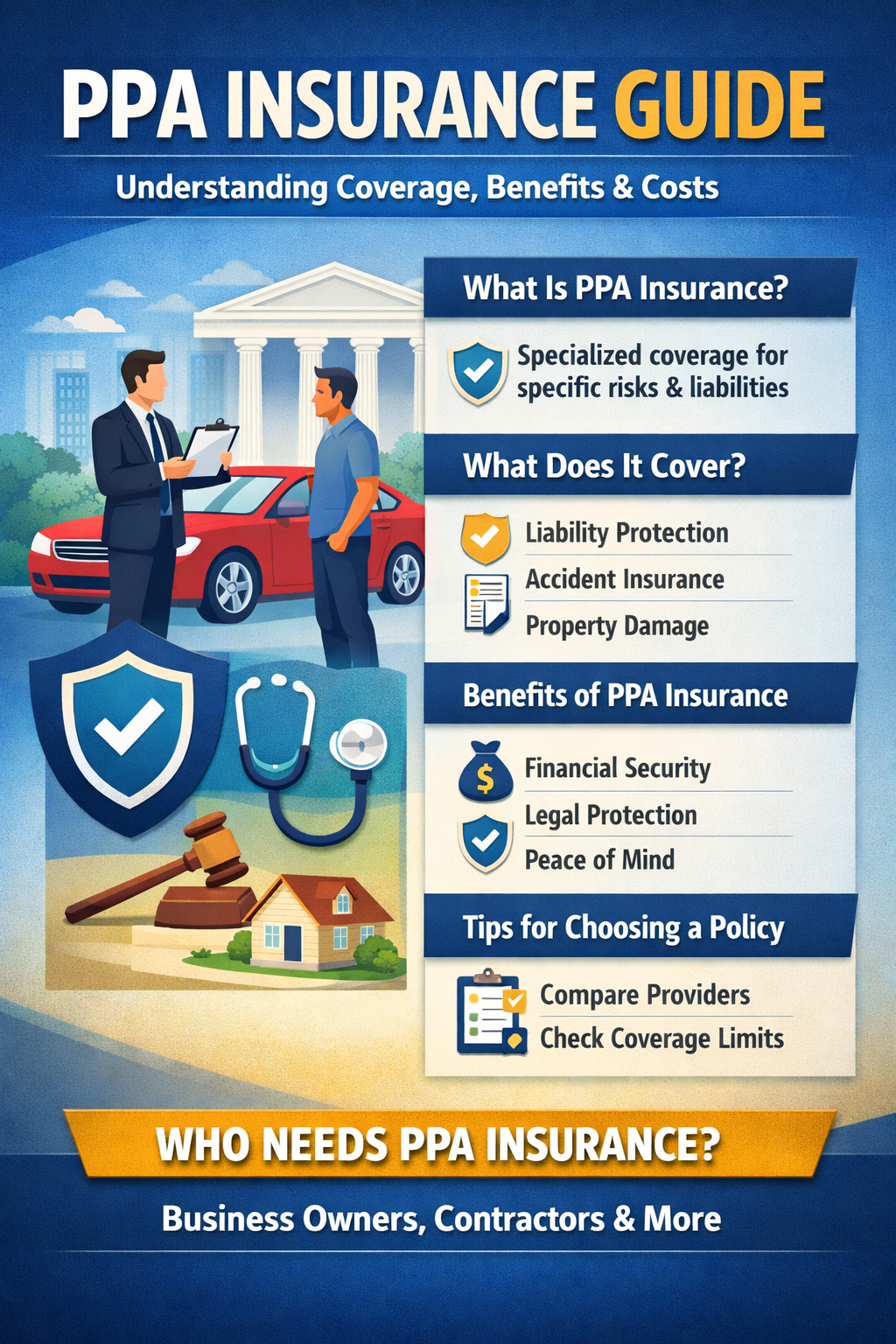
PPA insurance generally refers to a policy designed to provide financial protection against specific risks or liabilities. The exact meaning of PPA can vary depending on the insurer or industry, but in many contexts it is associated with personal protection coverage or policies tailored to particular activities, assets, or professions.
These policies are designed to help policyholders cover costs such as:
- Legal expenses
- Medical bills
- Property damage
- Liability claims
- Accident-related losses
Because coverage details vary by provider, reviewing policy documents carefully is essential before purchasing a plan.
How PPA Insurance Works
The basic principle behind PPA insurance is similar to other insurance policies. Policyholders pay a premium to an insurer in exchange for financial protection against specific risks.
Here is how the process typically works:
1. Policy Purchase
An individual or business purchases a insurance policy from an insurance company. The policy outlines coverage limits, exclusions, and premiums.
2. Risk Coverage
Once the policy becomes active, it provides protection against the events defined in the contract.
3. Claim Filing
If a covered incident occurs, the policyholder files a claim with the insurer.
4. Compensation
After reviewing the claim, the insurance provider may reimburse the policyholder or pay expenses directly, depending on the policy terms.
What Does PPA Insurance Cover?
Coverage depends on the specific policy, but many PPA insurance plans may include protection for:
Personal Liability
Coverage for legal claims if the policyholder is responsible for injury or damage to another person.
Accident Protection
Financial assistance for medical bills or injuries resulting from accidents.
Property Damage
Coverage for damage to property caused by covered incidents.
Legal Costs
Assistance with legal defense costs in liability disputes.
Specialized Risks
Some policies are tailored for specific industries or professional activities.
Always check the coverage limits and exclusions because not every risk may be included in a standard plan.
Who Should Consider PPA Insurance?
Different individuals and organizations may benefit from PPA, including:
- Small business owners
- Freelancers and independent contractors
- Professionals with liability exposure
- Property owners
- Individuals seeking additional personal protection
For people whose work or lifestyle involves higher risk, this type of policy can provide an additional safety net.
Benefits of PPA Insurance
There are several reasons why policyholders consider PPA insurance an important financial safeguard.
Financial Protection
Unexpected incidents can result in high costs. Insurance helps reduce the financial burden.
Risk Management
Policies help individuals and businesses manage risks associated with their activities.
Peace of Mind
Knowing that potential losses may be covered can provide confidence and security.
Legal Protection
Coverage may include assistance with legal defense costs and settlements.
Factors That Affect PPA Insurance Cost
The cost of PPA insurance varies depending on several factors.
Coverage Limits
Higher coverage limits usually mean higher premiums.
Risk Level
Policies for higher-risk activities may cost more.
Location
Insurance costs may differ depending on local regulations and claim statistics.
Policy Deductible
Choosing a higher deductible can reduce the monthly premium.
Tips for Choosing the Right PPA Insurance Policy
Selecting the best PPA policy requires careful comparison and research.
1. Compare Multiple Providers
Look at several insurance companies to find the best coverage options.
2. Understand Policy Exclusions
Review what is not covered before purchasing a policy.
3. Check Coverage Limits
Ensure the limits are high enough to protect against potential financial loss.
4. Read Customer Reviews
Feedback from existing policyholders can reveal the reliability of an insurer.
5. Consult an Insurance Professional
A licensed advisor can help explain complex policy terms.
Final PPA insurance Thoughts
PPA insurance can be a valuable tool for managing financial risk and protecting against unexpected liabilities. While coverage details vary between providers, the core purpose remains the same: offering peace of mind through financial protection.
Before purchasing a policy, take time to compare options, evaluate coverage limits, and ensure the plan aligns with your specific needs. With the right PPA policy in place, individuals and businesses can better prepare for unforeseen events and maintain long-term financial stability.